Mindful Eating for Intermittent Fasting: How to Break Your Fast Without Overeating

Intermittent fasting creates a clear space between meals. Mindful eating helps you make that space feel supportive when your eating window begins.
After several hours without food, it can be tempting to eat quickly or serve more than you need. Strong hunger, a busy day, and the simple relief of being able to eat again can make a meal feel rushed. There is nothing unusual or wrong about that response.
A gentler approach is possible. By pausing before your meal, slowing your pace, and noticing hunger and fullness cues, you can turn the end of a fast into a calm ritual rather than a race to feel satisfied.
Mindful eating is not about following another rigid set of rules. It is about becoming more aware of the meal in front of you and choosing what feels supportive next. More awareness. Less overwhelm.
Why the eating window matters
Much of the conversation around intermittent fasting focuses on the fasting period. The length of the fast, the timing of the window, and the potential intermittent fasting benefits often receive the most attention.
But the eating window matters just as much.
The food you choose, the pace of the meal, and the way you respond to hunger can shape how comfortable and sustainable your routine feels. A short eating window does not need to mean eating as much as possible, as quickly as possible. It can still include nourishing meals, pleasant pauses, and room to notice what your body is telling you.
Research summarized by Harvard’s Nutrition Source describes mindful eating as paying attention to the experience of eating, including taste, texture, thoughts, feelings, and physical cues. It also emphasizes approaching food without judgment.
That perspective can be especially useful with intermittent fasting for weight loss. Instead of treating the eating window as a chance to compensate for the fast, you can use it as an opportunity to eat with care and attention.
1. Pause before your first bite

A short pause can change the feeling of a meal.
Before you reach for your fork, take a few quiet breaths. Notice how hungry you feel. Are you experiencing physical hunger, or are you mostly responding to the clock, habit, stress, or the sight of food?
There is no need to judge the answer. The goal is simply to notice.
You might also ask:
- What sounds nourishing right now?
- How much time do I have to eat?
- What would help this meal feel comfortable?
- Do I feel thirsty as well as hungry?
This pause does not need to become a meditation practice. Even 30 seconds can create a little space between the end of your fast and the first bite.
2. Hydrate before and during the meal
Thirst can sometimes feel similar to hunger, particularly when you have been busy or have not had much to drink. Having water before your meal can help you check in with your body more clearly.
Try sipping a glass of water before you begin eating, then keep water nearby during the meal. A few sips between bites can give you another natural reason to slow down.
Hydration is one of the simple healthy daily habits that can be easy to overlook. A water tracker app can make it easier to notice your intake without turning it into another task to perform. Nourish lets you set a personal goal in ounces, add water quickly, and view your progress when you want a clearer picture of your routine.
Water is not a replacement for food. If you are genuinely hungry, your body may need a meal. The point is simply to make room for both signals.
3. Plate your food first
Eating directly from a package or serving dish can make it harder to notice how much you are having. Plating your food gives the meal a visible beginning and creates a calmer place to start.
Choose a portion that seems reasonable for your first meal. You can always add more later if you are still hungry. This approach leaves room for your fullness cues to catch up with your appetite.
A balanced meal might include a source of protein, fiber-rich vegetables or fruit, and foods you genuinely enjoy. Depending on your preferences, that could be eggs with vegetables and toast, yogurt with fruit and nuts, a grain bowl with beans, or fish with roasted vegetables.
There is no single correct meal for breaking a fast. Your preferences, schedule, culture, and dietary needs all matter.
If planning meals feels difficult, Nourish’s visual food picker offers a simple way to log meals by category, including proteins, grains, vegetables, fruits, dairy, and beverages. Logging is not about grading your choices. It can simply help you remember what you ate and notice patterns over time.
4. Put the fork down
One of the simplest mindful eating practices is also one of the easiest to forget.
After a few bites, place your fork or spoon on the table. Let your hands rest for a moment. Take a sip of water. Notice the taste and texture that remain in your mouth before taking the next bite.
This small pause naturally slows the meal. It also gives you a chance to notice whether your hunger is changing.
You do not need to count your bites or eat at a particular speed. Simply allowing a little more time between bites can make the meal feel less automatic and more present.
Eating slowly may also make it easier to recognize when you are comfortably satisfied. Fullness does not always arrive as a sudden stop. It can begin as a quieter feeling that the food is becoming less urgent, your body feels settled, or another bite would be pleasant but not necessary.
5. Let the meal be screen-free
Phones, television, work, and scrolling can pull attention away from the meal. When that happens, it is easier to eat past comfort without realizing it.
When possible, place your phone out of reach and give the meal your attention for a few minutes. Notice the colors on your plate. Smell the food. Feel its texture. Listen to the sounds around you.
This does not mean every meal needs to be silent or perfectly arranged. Conversation with family and friends can be part of a mindful meal. The idea is to reduce distractions that make it difficult to notice your own experience.
Even one screen-free meal a day can feel like a useful place to begin.
6. Notice the first signs of fullness

Many people wait until they feel completely full before stopping. Mindful eating invites you to check in earlier.
Halfway through your meal, pause and ask:
- Does the food still taste as enjoyable as it did at the beginning?
- Is my hunger softer now?
- Do I feel comfortable, satisfied, or heavy?
- Would a few more bites support me, or am I continuing from habit?
You can stop eating when you feel comfortably satisfied, even if there is food left on your plate. You can also continue if you are still hungry. Both choices are valid.
There is no prize for eating the smallest amount, and there is no failure in needing more food. Your needs may change from day to day. Activity, sleep, stress, hormones, and the length of your fast can all affect appetite.
A pause is not a test. It is simply information.
7. Build a gentle meal ritual
Mindful eating becomes easier when it is connected to a familiar routine. You might wash your hands, fill a glass of water, light a candle, or take one breath before beginning. These small actions can signal that it is time to arrive at the meal.
Try choosing one practice to repeat:
- Sit down before eating.
- Use a plate instead of eating from a package.
- Take three breaths before your first bite.
- Put your fork down once during the meal.
- Spend the first five minutes without a screen.
- Write down one thing you noticed afterward.
A habit tracker app can help you return to these practices without making them feel like a performance. Nourish’s habit tracker lets you create custom habits, reorder them, and check them off at your own pace. You might add “pause before eating” or “screen-free lunch” alongside other routines that support your day.
The aim is not perfect consistency. It is creating a familiar path back to the habits that feel helpful.
A calm way to break your fast
There is no need to make your first meal complicated. A simple routine might look like this:
- Drink some water and take a short pause.
- Notice your hunger without judging it.
- Plate a satisfying meal instead of eating from a container.
- Begin with a few slower bites.
- Put your fork down partway through.
- Check for the first signs of fullness.
- Save the rest for later if you feel satisfied, or add more if you remain hungry.
If your fast was longer than usual, you may prefer to begin with a smaller meal and see how you feel before eating more. Foods that include protein, fiber, and nourishing fats may help create a more satisfying meal, but your personal preferences and dietary needs should guide your choices.
Intermittent fasting is not a requirement to ignore hunger or push through discomfort. According to Cleveland Clinic, fasting schedules are not one-size-fits-all, and some people should avoid fasting or do so only with medical guidance.
Find your own rhythm
Mindful eating can complement intermittent fasting, but it does not need to become another strict system. There is no perfect way to break a fast. Some days will feel calm and intentional. Other days will be hurried, distracted, or different from what you planned.
You can begin again at the next meal.
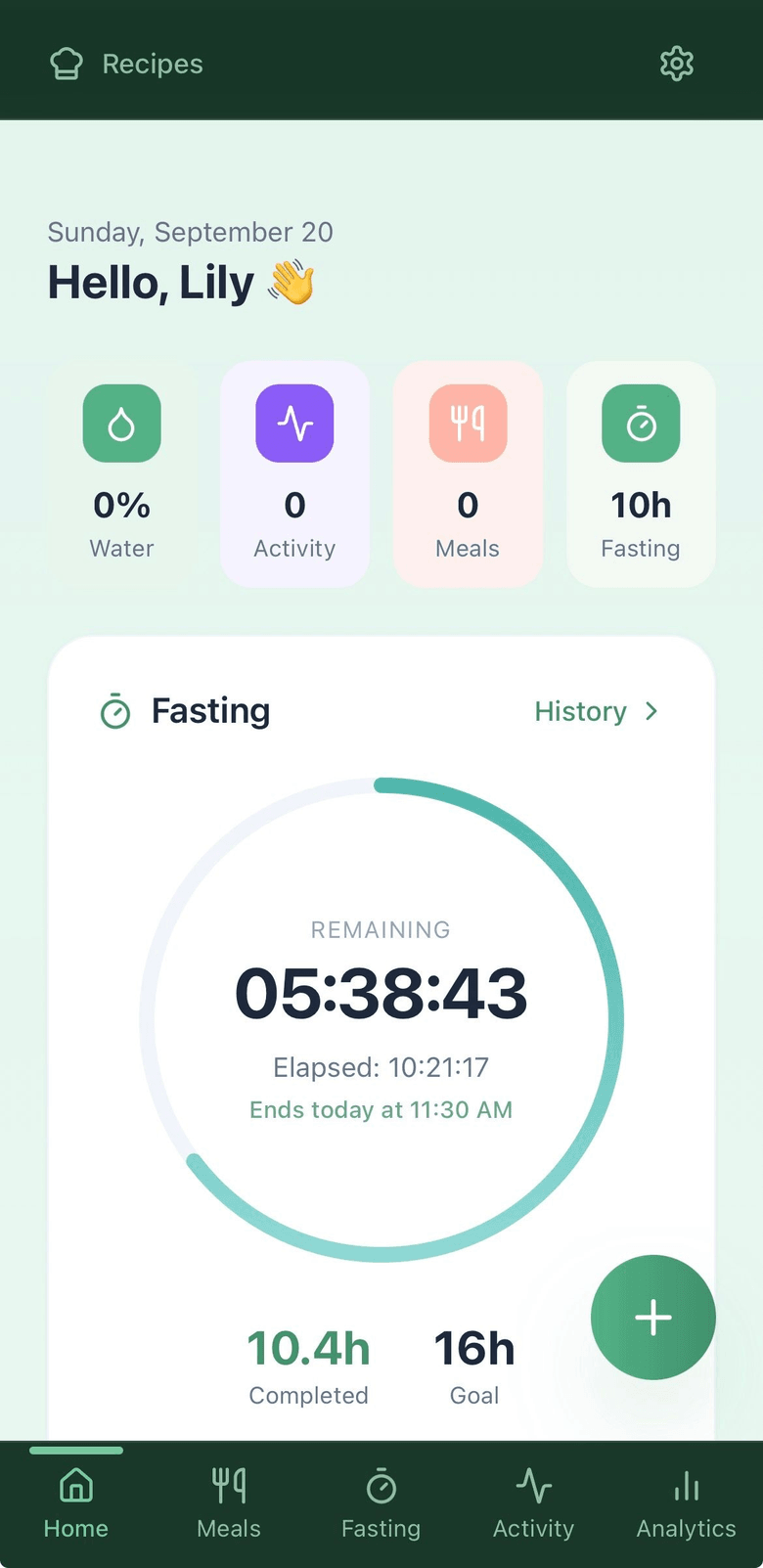
Use Nourish to notice the bigger picture when it feels useful. Track your fasts, water, meals, and habits in one place, then return to the patterns that offer helpful information. Clear enough to return to. Flexible enough for real life.
A gentler eating window may start with something very small: one breath, one sip of water, one slower bite.
Wellness note: Nourish is a wellness tracking tool and is not intended to diagnose, treat, cure, or prevent any disease. Intermittent fasting and changes to eating patterns are not appropriate for everyone. Consult a qualified healthcare professional before starting any fasting or nutrition program, especially if you are pregnant or breastfeeding, under 18, have a medical condition, take medication, have a history of an eating disorder, or are recovering from disordered eating.